A generation ago, a new roller coaster announcement could dominate playground conversations for weeks. Today, major ride openings trend globally within minutes — and criticism often follows just as quickly. From social-media discourse to industry surveys and fan communities, a growing question is emerging across the attractions sector: have theme park fans become harder to please?
A more experienced — and demanding — audience
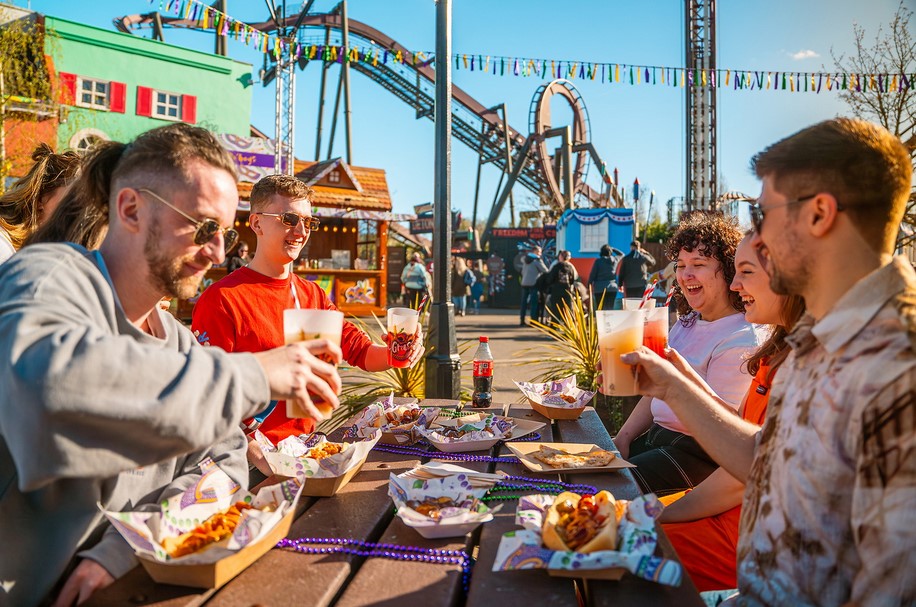
Industry research suggests that many of today’s most vocal theme park guests are also among the most dedicated. A 2024 survey of over 150 enthusiasts found that “superfans” are both the most frequent visitors and the most difficult to satisfy, largely because their experience across multiple parks raises expectations for innovation, operations and storytelling.
Frequent travellers now compare parks internationally, meaning a regional attraction is no longer judged solely against local competitors but against global leaders such as Disney and Universal. This exposure can amplify disappointment when rides suffer downtime, lack theming depth or fail to match marketing hype.
Operational frustrations remain a consistent driver of dissatisfaction. Research into unhappy guest experiences highlights ride closures, cleanliness concerns and insufficient amenities as recurring complaints, demonstrating how even small operational shortcomings can shape overall perception.
The social media effect: instant praise — and instant backlash
Perhaps the biggest change shaping fan expectations is digital connectivity. Survey data indicates 72% of theme park fans regularly use their phones while in-park, yet only 19% believe doing so improves the experience.
Phones serve as cameras, navigation tools and queue-time checkers — but they also connect guests directly to online commentary, reviews and comparisons. This creates a feedback loop where visitors consume opinions in real time while forming their own.
Industry observers note that social platforms have fundamentally altered consumer behaviour across attractions, enabling constant sharing, discussion and analysis of experiences.
The result is an audience that is more informed but also more critical, with viral posts capable of shaping public perception faster than traditional word-of-mouth ever could.
Recent examples illustrate this dynamic. Reports of potential character changes at Disneyland triggered rapid online backlash from fans, highlighting how emotionally invested communities can mobilise around even speculative updates.
When passion becomes pressure
Deep emotional attachment is a defining trait of modern theme park fandom. Some enthusiasts integrate park visits into their weekly routines, build online followings and closely track every development.
While this creates vibrant communities, it can also fuel entitlement, burnout and heightened sensitivity to change.
The “fear of missing out” — intensified by influencers showcasing limited-time events, merchandise and openings — can transform leisure into obligation. For operators, this means that each decision carries amplified scrutiny from an audience that feels personally invested.
Competing for attention in a crowded leisure landscape
Theme parks are also navigating broader cultural shifts. Digital entertainment, streaming services and gaming compete for the same leisure time once dominated by physical attractions.
Industry leaders argue that real-world thrills remain a powerful draw but acknowledge the challenge of attracting visitors away from screens.
Paradoxically, this competition may further raise expectations: if guests leave home for a premium day out, they expect premium experiences in return.
Nostalgia versus novelty
Beyond technology and operations lies a more subjective factor: nostalgia. Online discussions frequently reflect a perception that parks “felt more magical” in earlier decades, suggesting that changing life stages — rather than declining quality — may influence satisfaction levels.
For long-time fans, new rides must compete not only with other attractions but with cherished memories, an inherently difficult benchmark to surpass.
So — are fans harder to please?
Evidence suggests the answer is nuanced. Today’s theme park audience is:
- More experienced, enabling detailed comparisons
- More connected, accelerating feedback and criticism
- More emotionally invested, increasing reactions to change
- More time-pressured, raising expectations for value
Yet these same traits also reflect a passionate, engaged community that continues to drive attendance, conversation and innovation.
In many ways, theme park fans may not simply be harder to please — they are more informed, expressive and invested than ever before. For operators, the challenge is balancing operational excellence with emotional storytelling in an era where every queue, show and coaster launch unfolds under the spotlight of real-time public opinion.
What do you think — are theme park fans becoming harder to please, or are expectations simply evolving with the industry? We’d love to hear your perspective. Share your thoughts in the comments below.
Source: This article was written with information released by Katapult and social media.
Be the First to Hear the Latest Theme Park News
From ride announcements to park updates and visitor guides, we cover it all. Add us as a Preferred Source in Google to make sure you never miss our latest stories.
Click here and tick UKThemeParkSpy.com to ensure you see stories from us first in Google Search.
Follow UK Theme Park Spy: