February half term has traditionally marked the first real taste of theme park season for UK enthusiasts — a brief but exciting window when selected attractions reopen, new updates quietly debut, and fans dust off their ride count spreadsheets.
Now that the school holidays are drawing to a close across much of the country, attention quickly shifts to what comes next: the long-awaited start of the main 2026 theme park season.
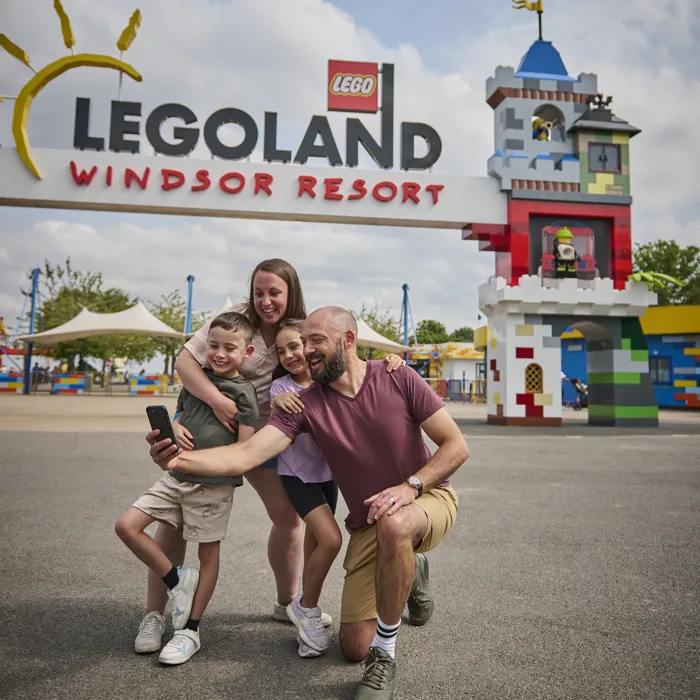
For park fans, this short pause between half term and full reopening isn’t a quiet one. In fact, it’s often one of the most intriguing periods of the year.
A Half-Term Warm-Up for the Season Ahead
Several major UK parks used February half term as a soft launch for 2026, offering limited ride line-ups, special events, or zoo access while final preparations continued behind the scenes.
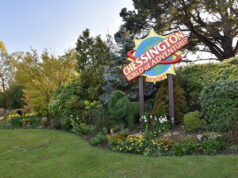
At parks such as Alton Towers, Chessington World of Adventures, and Paultons Park, the holiday provided families with a rare opportunity to visit during quieter conditions compared with summer crowds. While full ride availability was not always guaranteed, the atmosphere alone — hearing coaster trains cycle again after winter — signalled that the off-season was officially ending.
For smaller and regional parks, February half term also served as a useful testing ground. Staff training, operational trials, and early guest feedback all help shape opening strategies for March and April.
The Post Half-Term Pause: What Happens Behind Closed Gates
With half term finished, many parks now enter a short but critical transition phase. Guests may see gates closed again temporarily, but activity on site is often at its peak.
Final Ride Maintenance
Closed season refurbishments typically aim to conclude before main season opening days. This can include:
- Track inspections and repainting
- Ride system upgrades
- Theming repairs
- Safety testing and certification
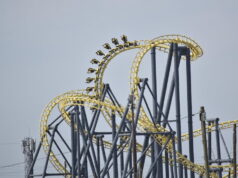
For thrill coasters especially, winter maintenance is essential to ensure reliability during high-capacity summer operations.
Staff Recruitment and Training
Theme parks are heavily seasonal employers, and late February into March is prime onboarding time. New ride hosts, entertainment teams, and operations staff undergo:
- Safety training
- Guest service workshops
- Ride-specific certification
- Emergency procedure drills
Many parks use quiet pre-season days to run empty train cycles while trainees learn procedures in real conditions.
The Psychological Start of Theme Park Season
Interestingly, February half term often represents a mental shift as much as an operational one.
After months of Christmas markets, closed ride areas, and construction updates, hearing lift hills climb again signals something simple but powerful: theme park season is back.
Longer daylight hours, improving weather, and the approach of spring all reinforce this momentum. Even parks that remained closed during half term begin sharing reopening teasers, maintenance photos, and countdown posts across social media.
The industry collectively moves from off-season silence to pre-season buzz.
What to Watch for Over the Next Few Weeks
As March approaches, theme park fans can expect a steady stream of developments:
- Opening day announcements and ride availability confirmations
- Construction reveals and attraction updates
- Annual passholder preview events
- Spring event announcements
- First POV and testing footage of the year
For those following UK theme parks closely, this period can feel almost as exciting as peak season itself.
With February half term now behind us, UK theme parks enter one of their most quietly fascinating phases. Gates may temporarily close, but behind the scenes preparations intensify as parks race toward full reopening.
For visitors, it’s the perfect time to plan that first major day out. For enthusiasts, it’s a season of anticipation, speculation, and countdowns.
One thing is certain — the off-season is ending, the trains are warming up, and the 2026 theme park season is just around the corner.
Be the First to Hear the Latest Theme Park News
From ride announcements to park updates and visitor guides, we cover it all. Add us as a Preferred Source in Google to make sure you never miss our latest stories.
Click here and tick UKThemeParkSpy.com to ensure you see stories from us first in Google Search.