Thunderstorms can roll in quickly during the summer months — and when they do, theme parks have to react fast. If you’ve ever been queuing for a roller coaster only to see the ride suddenly close due to lightning, you might wonder what’s really going on behind the scenes.
From lightning detection systems to strict safety protocols, modern theme parks have detailed procedures designed to protect guests and staff when storms approach. Here’s exactly what happens when a thunderstorm hits a theme park.
Why Roller Coasters Close During Lightning
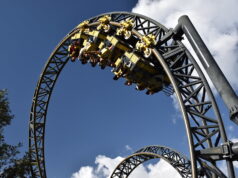
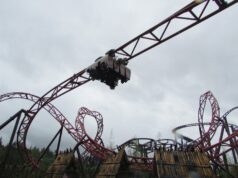
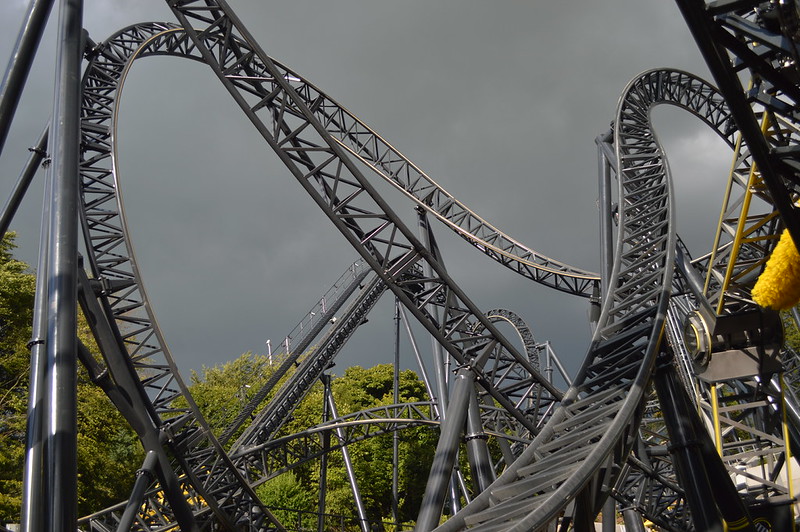
Roller coasters are some of the tallest structures in a theme park. That makes them especially vulnerable during electrical storms.
Most coasters are made primarily from steel and reach heights of 30–100 metres or more, which means they can act as lightning attractors. Even if lightning doesn’t strike the ride directly, nearby strikes can create dangerous electrical surges.
There are several key safety concerns:
1. Electrical risk
Lightning strikes can interfere with ride control systems, sensors, and electrical components.
2. Passenger exposure
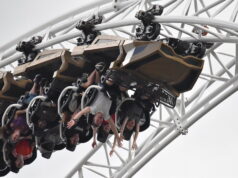
Guests on open-air rides are elevated and exposed, increasing the risk of injury if lightning strikes nearby.
3. Ride evacuation hazards
Many roller coasters require staff to escort riders down stairs from elevated track sections if a train stops. Doing this during lightning would be extremely dangerous.
Because of these risks, parks follow strict rules that require rides to close before lightning becomes a direct threat, not after it happens.
The Lightning Detection Radius (Typically 10–15 Miles)
Theme parks don’t wait until lightning strikes nearby before taking action. Instead, they use lightning detection systems that track storms within a predefined safety radius.
Typical guidelines used across the industry include:
- Lightning within 10 miles (16 km): heightened monitoring begins
- Lightning within 8 miles (13 km): some tall rides may suspend operation
- Lightning within 5 miles (8 km): most outdoor rides close immediately
These distances vary slightly depending on the park and the ride type. Taller attractions or rides with large exposed structures may shut earlier.
The reason for this buffer is simple: lightning can strike several miles away from the centre of a storm, sometimes even when rain hasn’t started yet.
This is why rides sometimes close even though the sky still looks relatively clear.
How Theme Parks Monitor Storms
Large theme parks operate sophisticated control systems to track weather conditions in real time.
Behind the scenes, parks typically use:
Professional lightning detection networks
These systems track lightning strikes across large regions and update instantly when new strikes occur.
Weather radar monitoring
Operations teams monitor radar images showing storm intensity, direction, and speed.
On-site weather sensors
Many parks have their own instruments measuring wind speed, rainfall, and atmospheric changes.
Direct meteorological services
Some major parks subscribe to professional forecasting services that provide alerts about incoming storms.
At larger parks, all of this data feeds into a central operations control room, where staff can quickly coordinate ride closures across the park.
What Staff and Ride Systems Do During Closures
When lightning enters the safety radius, a series of procedures begins almost immediately.
1. Ride cycles are completed
If a ride is currently operating, it will typically finish the current cycle so guests can return safely to the station.
Trains already on the track are brought back to the station using normal ride controls.
2. Ride entrances close
Staff will close the queue line and inform waiting guests that the attraction is temporarily unavailable due to weather conditions.
Many parks display lightning warnings on ride entrance signs or in mobile apps.
3. Ride systems are placed in safe mode
Operators may place the attraction in a safe shutdown mode. Depending on the ride, this could involve:
- Locking restraints open
- Disabling launch systems
- Parking trains in designated positions
- Securing loose ride elements
4. Staff move guests to indoor areas
If storms intensify, staff may encourage guests to move to:
- Restaurants
- Indoor attractions
- Shops
- Covered queue lines
This helps reduce the number of people exposed to lightning or heavy rain.
5. Continuous storm monitoring
Operations teams constantly watch lightning detection systems.
Most parks follow the “30-minute rule”:
Rides typically cannot reopen until 30 minutes have passed since the last lightning strike within the safety radius.
If another strike occurs during that time, the countdown resets.
Why Some Rides Stay Open During Storms
Not every attraction closes during lightning alerts.
Indoor rides and heavily enclosed attractions often continue operating safely, including:
- Dark rides
- Indoor roller coasters
- Simulator rides
- Theatre attractions
However, outdoor rides — especially tall steel coasters — are usually the first to close.
The Bottom Line
Thunderstorm closures can be frustrating if you’re waiting to ride your favourite coaster, but they’re an essential part of theme park safety.
Behind the scenes, parks rely on lightning detection systems, weather monitoring technology, and strict operational rules to ensure that attractions only operate when conditions are safe.
So next time you see a ride temporarily closed due to lightning, remember: it’s not just caution — it’s a carefully designed safety system working exactly as it should.
Follow UK Theme Park Spy on Facebook. Stay up to date with the latest news, ride updates, construction progress, events, and exclusive offers
Be the First to Hear the Latest Theme Park News
From ride announcements to park updates and visitor guides, we cover it all. Add us as a Preferred Source in Google to make sure you never miss our latest stories.
Click here and tick UKThemeParkSpy.com to ensure you see stories from us first in Google Search.