For years, one debate has dominated UK coaster communities more than any other: smoothness. Whether you scroll through forums, browse TikTok comments, or eavesdrop in queue lines, British thrill-seekers seem unusually fixated on whether a roller coaster is “smooth”, “rough”, “jolty”, or “rattly”.
Recently, though, more enthusiasts are beginning to question whether this obsession has gone a little too far. Are we focusing on the wrong thing? And is Britain’s coaster culture undervaluing some fantastic rides simply because they aren’t perfectly silky?

But in the rush to praise smooth coasters, it’s easy to forget that roughness doesn’t automatically make a ride worse.
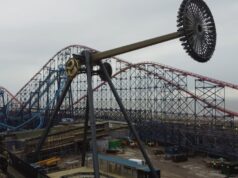
Wooden coasters, for example, are naturally alive with vibrations and quirks, and that’s often part of their charm. Some UK riders describe Grand National as rough, but compared to the legendary wooden coasters elsewhere in the world, it could be worse.
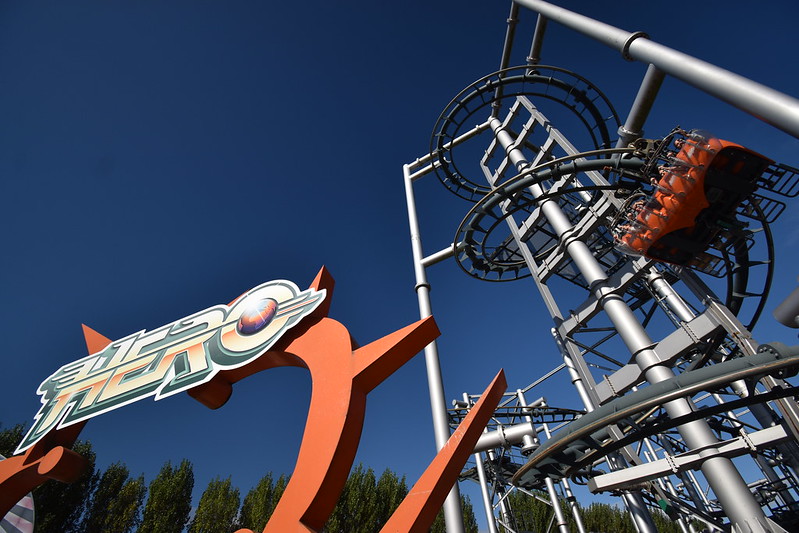
Even classic steel coasters gain their identity from a bit of rawness. Infusion and Hero are perfect examples: neither prioritises complete silkiness, but both deliver a powerful, visceral experience that many fans adore precisely because of their untamed intensity.
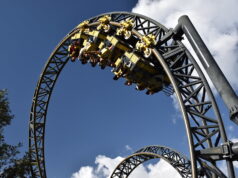
Even rides like The Smiler or Colossus, often criticised for their rough moments, provide an unpredictable physicality that adds to their appeal for those who love chaotic thrills.
Focusing too heavily on smoothness risks making UK coaster fans overlook the broader elements that truly shape a great ride.
Theming and atmosphere can elevate a coaster far beyond the quality of its track profiling. A creative layout with clever pacing is often far more memorable than a flawlessly smooth ride that does little to surprise.
Intensity, forces, storytelling, and even the emotional connection a rider forms with a coaster all carry more long-term value than a perfectly polished track. Smoothness is one metric—not the defining measure.
Of course, there are circumstances where smoothness genuinely matters. Rough tracking mixed with restrictive restraints can turn a ride from thrilling to uncomfortable.
Family coasters must remain welcoming and gentle for younger riders. Excessive rattling can also indicate maintenance issues that should be addressed, not ignored. But these concerns are practical rather than philosophical; they shouldn’t overshadow everything else.
Ultimately, the UK coaster community may benefit from broadening the conversation. It’s easy to dismiss a ride simply by calling it rough, but that oversimplifies what makes a coaster memorable.
The most iconic rides in the world aren’t necessarily the smoothest; they’re the ones that tell a story, deliver unique sensations, or capture a distinct personality. Perhaps it’s time to embrace a more nuanced view of coaster experiences—one that recognises that a little rough charm can be part of the magic.
Be the First to Hear the Latest Theme Park News
From ride announcements to park updates and visitor guides, we cover it all. Add us as a Preferred Source in Google to make sure you never miss our latest stories.
Click here and tick UKThemeParkSpy.com to ensure you see stories from us first in Google Search.