Roller coasters are designed to do one thing exceptionally well: make you feel something. For some people, that feeling is pure excitement—the kind that keeps them queueing up again and again. For others, it’s overwhelming fear, the sort that makes even watching from the ground uncomfortable.
So why is the reaction so different?
Why the same ride feels terrifying to others
Not everyone experiences that rush as fun. For some, the brain doesn’t reinterpret the sensation as excitement—it simply reads it as a threat.
The sudden drops, high speeds and moments of weightlessness can feel like a loss of control. Instead of thinking, “This is thrilling,” the mind shifts toward, “This doesn’t feel right.”
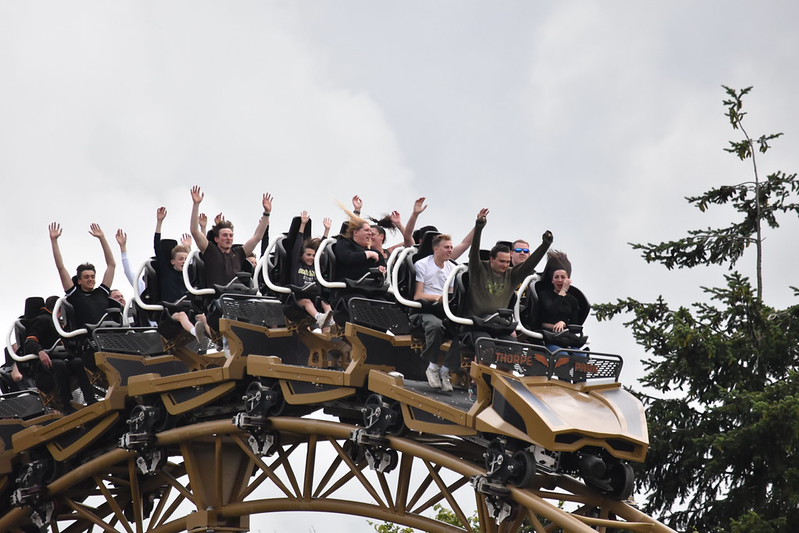
That difference in perception is subtle but powerful. Two people can sit side by side on the same ride, yet one is laughing while the other is counting down the seconds until it ends.
The impact of your first experience
A lot of this comes down to how people are introduced to roller coasters in the first place. A positive first ride—something smooth, manageable, and fun—can build confidence quickly. It creates a sense of trust in the experience.
But the opposite is just as true. If someone’s first coaster is too intense, or they feel pressured into riding before they’re ready, it can leave a lasting impression. That early moment of fear often sticks, shaping how they approach rides for years afterwards.
That’s one reason family coasters play such an important role in theme parks—they act as a bridge between curiosity and confidence.
Some people are simply wired differently
There’s also a deeper explanation. Personality and even biology influence how we respond to thrill.
Some people naturally seek out strong sensations. They enjoy speed, height, and unpredictability because it stimulates them. Others are more sensitive to those same sensations, meaning the experience can feel overwhelming rather than exciting.
Neither reaction is wrong—it’s just a reflection of how different brains process the same situation.
When it’s not fear, but discomfort
It’s also worth remembering that not all coaster dislike is psychological. For some riders, the issue is physical.
The forces involved—sharp turns, rapid drops, inversions—can trigger motion sickness or dizziness. In those cases, avoiding roller coasters isn’t about fear at all. It’s about avoiding a genuinely unpleasant experience.
Can people change their minds?
Interestingly, many people who once hated roller coasters end up enjoying them later on. The key is usually taking things slowly.
Starting with smaller rides, building confidence, and understanding what to expect can make a huge difference. Over time, what once felt intimidating can start to feel exciting instead.
Roller coasters sit in a unique space where fear and fun overlap. For some, that edge is what makes them irresistible. For others, it’s exactly why they stay away.
And that contrast is part of what makes theme parks so interesting. Whether you’re chasing the biggest drop in the park or happily watching from the sidelines, you’re reacting exactly the way your brain is wired to.
Be the First to Hear the Latest Theme Park News
From ride announcements to park updates and visitor guides, we cover it all. Add us as a Preferred Source in Google to make sure you never miss our latest stories.
Click here and tick UKThemeParkSpy.com to ensure you see stories from us first in Google Search.
Follow UK Theme Park Spy: