If you’ve visited a theme park recently, chances are you’ve felt it.
That creeping frustration.
That sense that something just isn’t running as smoothly as it used to.
You check the app. Another ride is down. You walk across the park. Still closed. You refresh again… delayed. Temporarily unavailable. Technical issue.
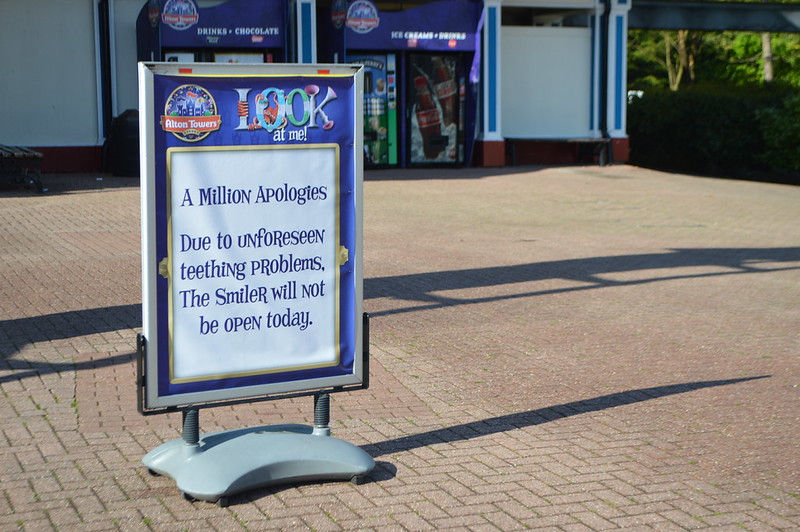
Ride downtime isn’t new—but right now, it feels worse than ever. And it’s not just bad luck. There are real reasons behind this growing perception, and they’re reshaping the modern theme park experience in ways parks need to take seriously.
Let’s break down why.
1. Higher Expectations Than Ever Before
Modern theme parks have trained guests to expect near-perfection.
With mobile apps, live queue times, virtual queues, and paid fast-track systems, parks have created a highly optimised, data-driven experience. Guests plan their day down to the minute.
So when a major ride goes down, it’s no longer a minor inconvenience—it disrupts an entire strategy.
Years ago, downtime felt like:
- “Oh well, let’s try something else.”
Now it feels like:
- “That was my one shot today.”
And that shift in mindset makes every closure hit harder.
2. Fewer “Backup” Attractions
Many parks—especially in the UK—are increasingly top-heavy.
They rely heavily on a handful of headline rides:
- The big coaster
- The park’s signature attraction
When one of those goes down, the impact ripples across the entire park.
Queues surge elsewhere. Guest flow collapses. And suddenly, a full day starts to feel limited.
Older parks used to have deeper ride lineups. Not necessarily better—but broader. Today, experiences are more concentrated, which amplifies downtime when it happens.
3. Rides Are More Complex (and More Fragile)
Let’s be honest: modern rides are incredible.
Multi-launch coasters. Immersive storytelling. Advanced animatronics. Projection mapping. Synchronised effects.
But all that innovation comes at a cost: complexity.
More systems = more points of failure.
A ride today isn’t just:
- Track + trains
It’s:
- Software systems
- Sensors
- Show control
- Safety redundancies
- Audio/visual tech
- Networked components
If any part of that chain fails, the whole ride can stop.
So while rides are better than ever, they’re also more prone to downtime—and often longer downtimes.
4. Staffing Pressures Behind the Scenes
This is one of the biggest factors people don’t see.
Theme parks across the UK and beyond have faced ongoing staffing challenges:
- Engineering shortages
- Maintenance backlogs
- Seasonal workforce instability
Highly specialised ride technicians aren’t easy to replace. When parks are short on experienced staff, issues can take longer to diagnose and fix.
Even minor faults can escalate into extended downtime simply because:
- The right person isn’t immediately available
- Or multiple issues are happening at once
Guests don’t see this—but they definitely feel the consequences.
5. Social Media Amplifies Everything
Downtime hasn’t necessarily exploded—but awareness of it has.
One closed ride used to affect:
- The guests physically in the park
Now it affects:
- Thousands of people online
Apps, forums, and social media mean:
- Every closure is reported instantly
- Every delay is shared
- Every bad day becomes visible
You might even go into a visit expecting problems before you’ve stepped through the gates.
This creates a feedback loop:
- People hear about downtime
- They notice it more
- They share it
- It feels like it’s happening constantly
Perception becomes reality.
6. Paid Fast-Track Raises the Stakes
Fast-track systems (Fastrack, Fast Lane, etc.) have changed how downtime feels.
If you’ve:
- Paid extra
- Planned your day
- Scheduled ride times
…then a breakdown doesn’t just waste time—it wastes money.
And even for non-paying guests, downtime can feel unfair when:
- Fast-track queues are prioritised on reopening
- Standby lines surge instantly
It creates a sense that the system isn’t working in your favour, even if the park is doing its best to manage capacity.
7. Weather Sensitivity Is More Noticeable
UK parks have always battled weather—but again, perception has shifted.
Modern rides often have stricter operating limits:
- Wind thresholds
- Rain sensitivity
- Temperature restrictions
When rides close due to weather, parks label it as downtime—even though it’s technically operational safety.
Guests don’t always distinguish between:
- “Closed due to weather”
- “Broken down”
The result? It all gets grouped into the same frustration bucket.
8. Shorter Visits, Higher Pressure
Day trips are more expensive than ever.
Tickets, parking, food, add-ons—it all adds up. So guests feel more pressure to “get value” from a single day.
This means:
- Less tolerance for downtime
- Less willingness to “just come back another day”
- Higher emotional stakes when things go wrong
In the past, downtime was part of the experience. Now it can feel like a deal-breaker.
9. Parks Are Running Closer to Capacity
To maximise revenue, many parks operate closer to peak capacity more often.
This has two major effects:
- Less breathing room when rides go down
- Longer recovery times when they reopen
A single ride closure can push thousands of guests into other areas, overwhelming the park’s infrastructure.
So even a short breakdown can have long-lasting effects on the day.
10. Communication Still Isn’t Good Enough
Despite all the tech, parks still struggle to communicate downtime effectively.
Common issues:
- Vague app updates (“temporarily unavailable”)
- No estimated reopening times
- Lack of transparency about causes
Guests don’t necessarily expect perfection—but they do expect clarity.
When communication is poor, frustration grows faster than the actual problem.
So… Is It Actually Worse?
Here’s the honest answer:
Downtime probably isn’t dramatically worse than before—but everything around it is.
- Expectations are higher
- Parks are busier
- Rides are more complex
- Visits are more expensive
- And information spreads instantly
All of that combines to make downtime feel more frequent, more disruptive, and more frustrating than ever.
What Parks Need to Do Next
If parks want to improve guest experience, downtime needs to be addressed not just technically—but emotionally.
That means:
1. Better Transparency
Clear updates, honest explanations, and realistic reopening estimates.
2. Smarter Compensation
Automatic fast-track passes, return tickets, or perks when major rides are down for extended periods.
3. Stronger Ride Lineups
Invest in depth—not just headline attractions—so the park doesn’t collapse when one ride closes.
4. Maintenance Investment
More engineers, better training, and proactive maintenance—not reactive fixes.
5. Manage Expectations
Set realistic messaging around reliability, especially for new or complex rides.
Ride downtime has always been part of theme parks. It always will be.
But right now, it hits differently.
It’s not just about a ride being closed—it’s about the knock-on effects, the lost opportunities, and the feeling that your carefully planned day is slipping away.
Parks don’t need to eliminate downtime entirely (that’s impossible).
But they do need to recognise how much more it matters today—and respond accordingly.
Because in 2026, it’s not just about keeping rides open.
It’s about keeping guests on your side when they’re not.
Got an opinion on this story? Drop a comment on our Facebook page @UKThemeParkSpy
Follow UK Theme Park Spy on Facebook. Stay up to date with the latest news, ride updates, construction progress, events, and exclusive offers
Be the First to Hear the Latest Theme Park News
From ride announcements to park updates and visitor guides, we cover it all. Add us as a Preferred Source in Google to make sure you never miss our latest stories.
Click here and tick UKThemeParkSpy.com to ensure you see stories from us first in Google Search.