
When Oakwood Theme Park — once billed as “Wales’ biggest family day out” — announced it would not re-open for the 2025 season, it felt like the end of an era. Opened in 1987 and home to celebrated rides such as the wooden coaster Megafobia, Oakwood had grown from a small local attraction into Wales’ largest theme park. Its abrupt closure in early March 2025 was announced by owner Aspro Parks as the result of “unrelenting economic challenges” and a decline in visitor numbers.
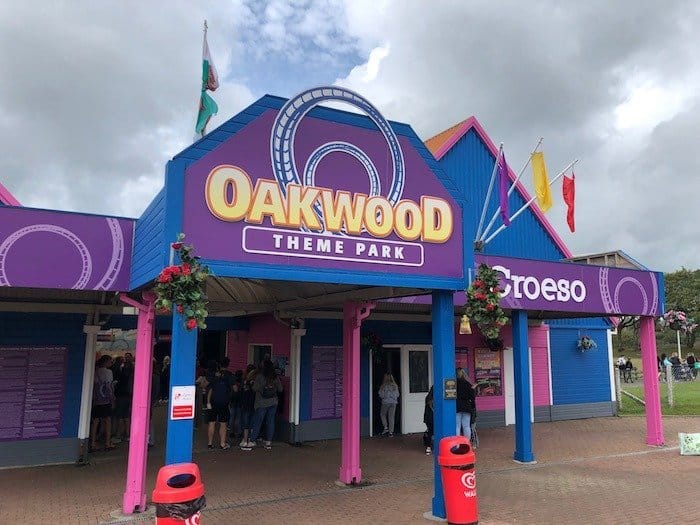
We dig into what happened at Oakwood, why it matters beyond Pembrokeshire, and what the closure signals for regional parks across the UK and Europe.
Quick timeline
- Opened: 1987.
- Owner since 2008: Aspro Parks (Spanish leisure group).
- Notable investments: Aspro invested heavily over the years — the company says more than £25 million was spent since acquisition to try to keep the park viable.
- Closure announced: 4–5 March 2025; park confirmed it would not open for the 2025 season and would cease operations with immediate effect.
What Aspro said — and what the numbers hide
Aspro’s public explanation focused on operating costs and falling revenues: rising energy bills, supply and parts costs for rides, food-and-beverage inflation, and increases to the National Living Wage / national insurance thresholds were all called out as part of the “unrelenting economic challenges” that made further investment unsustainable.
Those are blunt operational realities. Theme parks are high-fixed-cost, seasonal businesses:
- Rides require specialist maintenance and spare parts that can be expensive and sporadically available.
- Many costs (insurance, safety inspections, energy for lights/heat/ride systems, debt on capital projects) don’t scale down just because attendance dips.
- Seasonal revenue is concentrated in a few months: a cold, rainy, or subdued season can wipe out a year’s planned EBITDA.
At Oakwood, a long history of capital injections (including substantial work on Megafobia) shows management tried to keep the park competitive—but even sizeable one-off investments don’t guarantee steady footfall or insulation from macroeconomic pressures.
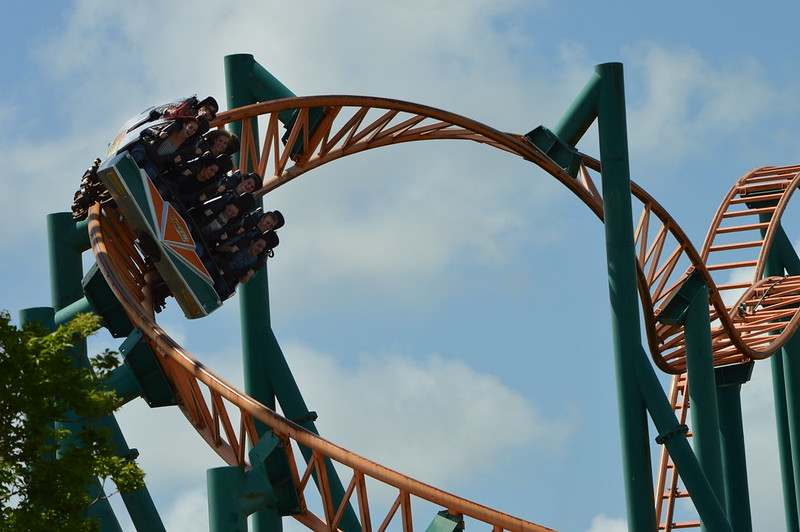
Reputation, incidents and headwinds
Oakwood’s public story isn’t just balance sheets. The park has a complicated safety and reputation history: a fatality on the Hydro/Drenched water ride in 2004 and a ride malfunction that caused minor injuries in 2024 were repeatedly referenced in media coverage and public discussion. While there’s no simple causal chain from incidents to closure, reputational hits can suppress repeat visitation and make selling or redeveloping a site more complex.
Layer on changing leisure habits — greater competition from cheap staycations, streaming and home entertainment, and higher costs for families — and the market for mid-sized regional parks becomes fragile.
Why regional parks are particularly exposed
Large destination parks (e.g., multi-park resort operators) enjoy economies of scale: centralised marketing, cross-promotion, year-round attractions, hotels and diversified revenue streams. Smaller, single-site parks lack those buffers. Specific vulnerabilities include:
- Seasonality: A short operating season concentrates risk. Bad weather or a weak school-holiday period hits turnover hard.
- Labour costs: Minimum wage hikes and national insurance changes disproportionately affect parks that rely on large seasonal workforces. Aspro explicitly mentioned NLW and NI as cost drivers in Oakwood’s case.
- Capital intensity: Rides cost millions to buy, refurbish or safely decommission. If attendance and revenue don’t grow, replacing major assets is impossible without outside capital.
- Local reliance: Regional parks are often major local employers; when they fail, the local economy feels it acutely (fewer visitors for nearby B&Bs, cafés, shops). Oakwood’s closure triggered immediate concern in the Senedd and local councils.
These structural factors mean a string of pressures — rising cost bases, modest attendance declines, and one-off shocks — can combine into a closure decision even when a park still has strong brand recognition.
Local economic fallout and politics
Oakwood was a visible part of Pembrokeshire’s tourism offering. Local politicians and businesses described the closure as “devastating” and raised the matter in the Senedd, urging support and fast action to find a buyer or alternative use for the site. Calls included requests that owners engage with the Welsh Government and local stakeholders to either sell or redevelop the site to preserve jobs and tourism value.
Practical short-term consequences: immediate job losses (seasonal and permanent staff), loss of supplier contracts, and the risk that an empty site becomes a safety and trespass liability unless secured. Reports of trespassing and vandalism at the closed site already appeared in local coverage, prompting security measures and political calls for action.
Broader signals for the sector
Oakwood’s closure is unlikely to be a one-off symbolic event only; rather it highlights a few sector-level trends:
- Polarisation of operators: Big, capitalised operators and resorts will continue to consolidate advantage; mid-sized independents are squeezed.
- Need to diversify revenue: Parks with hotels, immersive year-round attractions, or events calendars weather downturns better. Single-revenue-stream parks are more exposed.
- Operational cost shocks matter: Energy price volatility, labour law changes, and supply chain constraints for specialist ride parts can quickly make a park unprofitable. Oakwood’s owners explicitly cited this mix as unsustainable.
- Local policy choices matter: Regional tourism depends on transport links, marketing support, and sometimes targeted interventions or buyer facilitation. Politicians in Wales immediately signalled interest in supporting a sale or redevelopment — a reminder that public actors sometimes need to step in to channel interested investors or manage the land-use transition.
Possible futures for Oakwood’s site
Closed parks have several typical pathways: sale to another operator (rare, but possible); redevelopment for housing or mixed-use; mothballing followed by gradual disassembly/scrappage; or transformation into a different leisure concept (e.g., camping/glamping, outdoor adventure park). Any of these outcomes involve complex planning, environmental and infrastructure assessments, and stakeholder negotiation — especially for a 90-acre site such as Oakwood.
Local and national political attention makes a sale or managed redevelopment the more likely pragmatic outcome, but nothing is certain. Recent reporting shows interest and political pressure to find a buyer, though Aspro’s position and decisions about sale or reuse will determine speed and shape.
Oakwood’s closure is both a local tragedy and a sectoral diagnostic. It illustrates how mid-sized parks — beloved by communities and coaster enthusiasts alike — can be squeezed by a combination of operational cost inflation, seasonality, reputational incidents, and changing consumer patterns. The park’s history of investment shows effort and will to survive; its closure shows those alone don’t guarantee long-term viability without resilient business models and either scale advantages or public-private partnership to manage transitions.
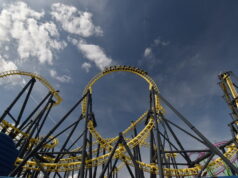
For those who loved Oakwood, the images of empty coasters are sad and stark. For the industry, the lesson is clear: adapt or consolidate. For policymakers, the ask is equally straightforward — when cultural and economic anchors falter, intervene to shape outcomes that protect jobs, tourism value, and safe reuse of land.
Be the First to Hear the Latest Theme Park News
From ride announcements to park updates and visitor guides, we cover it all. Add us as a Preferred Source in Google to make sure you never miss our latest stories.
Click here and tick UKThemeParkSpy.com to ensure you see stories from us first in Google Search.
Follow UK Theme Park Spy:


Conversation
I as never updated good enough to keep the public interested. Still had the same shit rides we all went on as kids. Only thing I seen updated was as nutty Jake’s gold mine into something else, speed was added along with that sky swing thing. Not a lot really when you think about it. Shame really that they never did a full revamp with better and newer rides.
The opinions and views shared in the comments section belong solely to the individual users and do not reflect those of UK Theme Park Spy. UK Theme Park Spy does not endorse, support, or guarantee the accuracy of any content posted by users.