The debate between launch coasters and traditional lift hill roller coasters has become one of the most enduring arguments among theme-park enthusiasts. Over the past twenty years, roller coaster manufacturers—from Intamin and Premier Rides to Mack, Vekoma, and S&S—have increasingly shifted toward launch-based systems.
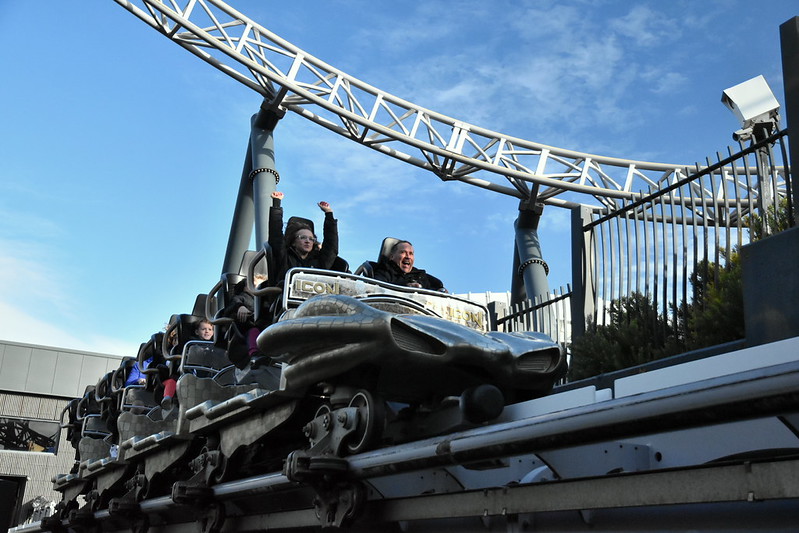
This has led many thrill-seekers to naturally question whether launch coasters represent an evolution of the form or whether the classic chain-lift experience still holds unique value. At first glance, the appeal of launches seems obvious: instant acceleration, rapid pacing, and a sense of power that feels almost futuristic.
Yet the slow ascent of a lift hill coaster offers its own form of artistry—dramatic tension, skyline presence, and a drop that relies purely on gravity. These differences go far deeper than mechanics.
To understand whether launch coasters are genuinely “better,” we need to explore the emotional responses they trigger, the storytelling possibilities they offer, and the way each style shapes the pacing of a ride. What becomes clear very quickly is that the answer is far more complex than choosing one over the other.
Launch coasters are often celebrated for their sheer intensity. There is something utterly primal about sitting in a train that suddenly accelerates from standstill to motorway speeds in a matter of seconds. The moment before the launch is full of nervous energy—silence, a soft rumble, or maybe a countdown—and then a violent surge forward that leaves riders breathless. This type of adrenaline hit is impossible to replicate with a lift hill. Launches deliver gratification instantly: the ride doesn’t gradually introduce its thrills; it grabs you by the collar and flings you into the action. The acceleration is sharp, physical, and overwhelming in the best possible way. Many riders even describe their first launch coaster as the moment they truly understood what modern roller coaster engineering is capable of.
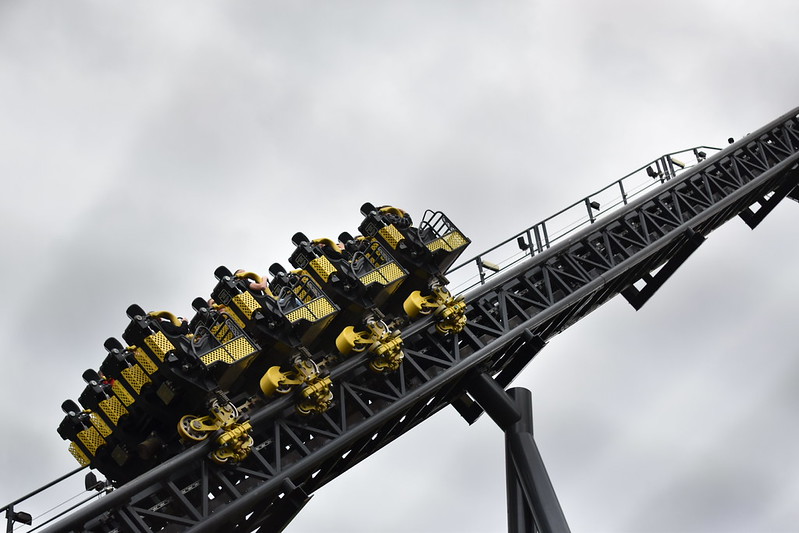
This immediacy shapes the pacing of launch coasters in unique ways. Because the ride doesn’t need to spend 20 to 40 seconds climbing a lift hill, more time is allocated to actual elements—top hats, inversions, twists, airtime hills, or rapid directional changes. The narrative tempo is more aggressive, keeping the rider constantly engaged. Even multi-launch coasters create repeated peaks of intensity, offering multiple adrenaline surges throughout a layout that rarely slows down long enough for riders to reflect. The result is a ride type that prioritises pacing over anticipation, excitement over suspense, and kinetic energy over psychological buildup.
Yet for all their technological brilliance, launch coasters often sacrifice something that traditional lift hill rides excel at: storytelling. The classic lift hill is more than a mechanical necessity—it is a narrative tool. As the chain engages and the train begins its steady climb, riders have time to absorb the surroundings, take in the theming, and let their minds wander. The creaking sound of the lift, the slow ascent, the rising view of the park shrinking beneath, and the knowledge that a major drop is waiting at the summit combine to create a level of tension that a launch simply cannot replicate. The anticipation is as much a part of the experience as the drop itself. It is suspense designed by gravity.
Lift hill coasters also excel in skyline presence. When you imagine iconic coaster silhouettes—whether it’s the dramatic profile of a hypercoaster or the jagged shape of a classic wooden out-and-back design—those images exist because lift hills naturally create a visible landmark. A launch coaster may deliver a more modern, compact layout, but it rarely creates that singular, towering structure that becomes inseparable from a park’s identity. The slow climb, the near-vertical ascent, the crest of the hill where riders hang for a breathless second before plunging downward—these visuals become part of theme park culture and memory. They create not only the ride experience but the atmosphere of an entire park.
From a purely technical standpoint, traditional lift-hill coasters offer their own engineering advantages. A gravity-driven layout can feel more natural, flowing, and cohesive. The drop is the beating heart of the ride, and everything that follows is powered not by external machinery but by the relationship between height and velocity. This can create a smoother sense of rhythm. While launch coasters are undeniably forceful, they sometimes struggle with pacing once the initial velocity wears off, requiring additional launches or brake-run sections to maintain momentum. Lift-hill coasters, on the other hand, often tell a more consistent story from peak to finale, with sequences of airtime, sweeping turns, and forceful valleys that feel like a dance between track and gravity rather than a series of engineered jolts.
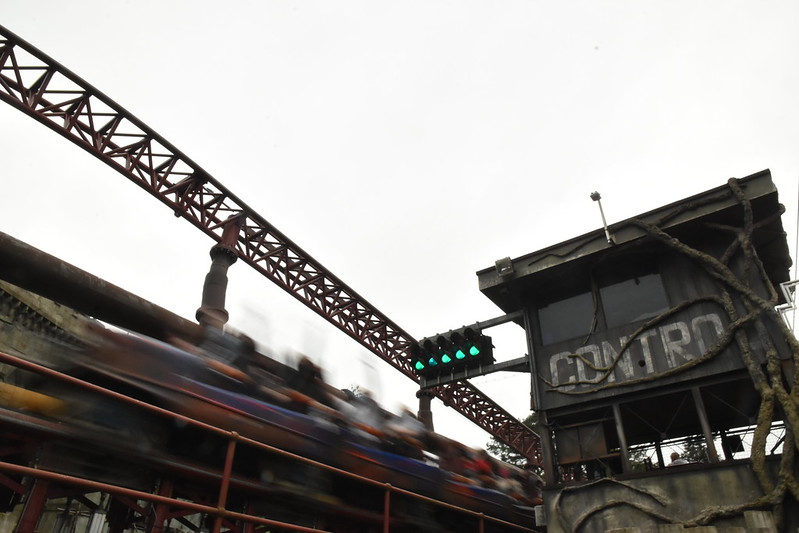
Of course, both ride types have their imperfections. Launch coasters are mechanically complex, sometimes temperamental, and often require lengthy resets or specialised maintenance. The more complicated the launch system—hydraulic, pneumatic, or magnetic—the more likely the ride is to suffer downtime. Traditional lift hills are simpler, more reliable, and easier to maintain, which is why so many parks continue to invest in them despite the trend toward modern launch technology. Meanwhile, lift-hill rides may struggle to compete with the headline-grabbing intensity of launch coasters. For younger audiences accustomed to fast-paced thrills, the slow ascent can feel dated. When a park opens a new launch coaster, it tends to dominate marketing campaigns and drive attendance in ways that a lift-hill ride rarely does today.
The question of which type is “better” ultimately depends on what kind of thrill experience a rider values. If a ride is judged by the strength of its forces, the immediacy of its excitement, or the innovative spectacle of its technology, launch coasters often come out ahead. They offer explosive power, unpredictable pacing, and a sense of modernity that taps directly into adrenaline. Riding a well-designed launch coaster feels like being shot out of a cannon, pulled through the air by unseen forces, or thrown through a rapid-fire series of twists before you’ve had time to process the last one. For many thrill-seekers, this is the pinnacle of roller coaster design.
However, if a ride is evaluated on atmosphere, tension, storytelling, or emotional buildup, the traditional lift hill holds a special place that launches cannot displace. The slow climb creates a psychological journey, transforming a simple mechanical ascent into a theatrical moment. The drop becomes more impactful because riders have time to anticipate it. And the gravity-driven layout that unfolds beneath the drop often feels more organic, more expressive, and more connected to the landscape of the park.
What becomes increasingly clear is that launch coasters and lift-hill rides are designed for different purposes, different moods, and different types of thrill-seekers. The variety between them is what makes theme parks so compelling. If a park were to consist only of launch coasters, the constant barrage of intensity would begin to feel repetitive and exhausting. Likewise, a park composed solely of lift-hill rides might risk feeling old-fashioned, predictable, or lacking in modern excitement. The best theme parks understand this balance. They pair launches with lift hills, old-fashioned wooden coasters with sleek steel designs, and narrative-rich rides with raw thrill machines. This diversity ensures that every visitor—whether they prefer adrenaline or atmosphere—finds something that resonates with them.

In my opinion, launch coasters are not inherently better or worse than traditional lift hill rides. They are simply different expressions of what a roller coaster can be. A launch coaster is a burst of kinetic fury, a technological spectacle that delivers raw power from the moment the train dispatches. A lift-hill coaster is a lesson in suspense and gravity, using slow buildup and dramatic payoff to create an emotional journey. Both are masterpieces when executed well, and both have a rightful place in a well-rounded coaster lineup.
As theme park technology continues to advance, we may see hybrid designs that blend the strengths of both approaches—coasters that use launches for pacing but still incorporate meaningful lift hills for storytelling, or rides that rely on gravity but include launch sections for mid-course transitions. The future will undoubtedly blur the lines even further. But the core debate will remain the same, because it speaks to something deeper than engineering. It speaks to what makes roller coasters magical: not just the forces they generate, but the emotions they inspire.
Rather than asking whether launch coasters are better than lift hill rides, a more meaningful question might be: what kind of thrill are you seeking at this moment? Some days you want to be hurled forward with explosive speed. Other days you want the slow climb, the tightening anticipation, the dread-filled approach to a towering drop. The brilliance of theme parks is that you don’t have to choose forever—you simply choose based on the experience you want to feel that day.
In the end, the perfect theme park isn’t built on one type of thrill. It is built on contrast, variety, and emotional diversity. Launch coasters deliver fire, immediacy, and shock. Lift hill coasters offer tension, tradition, and iconic imagery. The magic lies in how these styles complement one another, creating a landscape of thrills that keeps us returning, ride after ride, year after year.
Got an opinion on this story? Drop a comment on our Facebook page @UKThemeParkSpy
Follow UK Theme Park Spy on Facebook. Stay up to date with the latest news, ride updates, construction progress, events, and exclusive offers
Be the First to Hear the Latest Theme Park News
From ride announcements to park updates and visitor guides, we cover it all. Add us as a Preferred Source in Google to make sure you never miss our latest stories.
Click here and tick UKThemeParkSpy.com to ensure you see stories from us first in Google Search.