When it comes to roller coasters, few topics spark as much debate among enthusiasts as restraints. Some riders swear by the freedom of lap bars, while others feel more secure with over-the-shoulder restraints (OTSRs). But which is actually better—and are OTSRs really worse?
Let’s break it down.
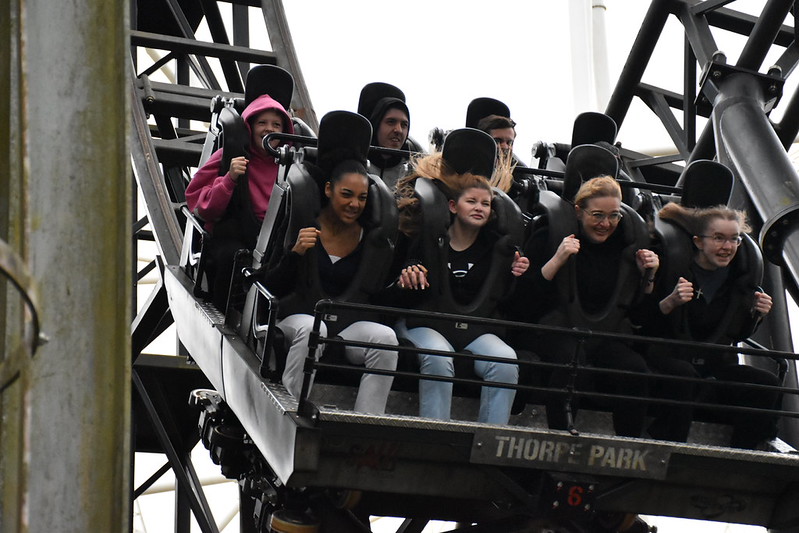
What Are Over-the-Shoulder Restraints?
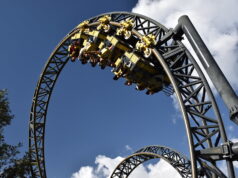
Over-the-shoulder restraints are the classic “harness” style that come down over your head and lock across your chest and shoulders.
Pros:
- High sense of security – Great for nervous riders
- Essential for certain ride types – Especially inverted coasters and older looping rides
- Reduces extreme movement – Keeps riders tightly in place
Cons:
- Headbanging – Your head can knock against the restraint during rough sections
- Less freedom – Arms and upper body feel restricted
- Comfort issues – Can feel tight or bulky, especially on older rides
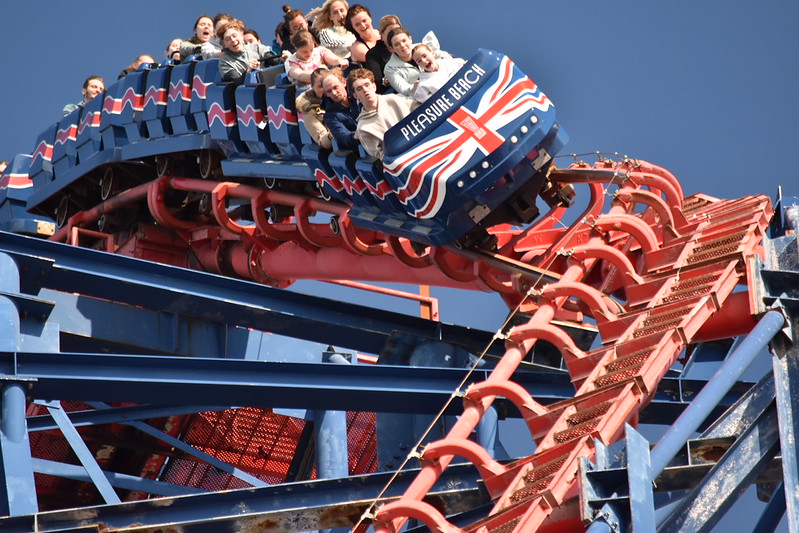
What Are Lap Bars?
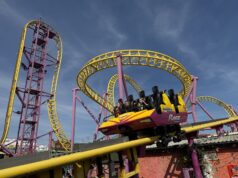
Lap bars secure you across your waist or upper legs, leaving your upper body free.
Pros:
- More airtime freedom – That “floating” feeling fans love
- Greater comfort – Less pressure on shoulders and head
- Better visibility – Nothing blocking your view
Cons:
- Feels less secure (for some) – Especially for new riders
- Not suitable for all ride types – Inverted or extreme looping rides often require more support
- Can feel intense – Airtime can be overwhelming if you’re not used to it
Which One Is Actually Better?
The truth: neither is objectively “worse”—it depends on the ride design and what you enjoy.
Lap bars are generally preferred when:
- The coaster is designed for airtime (e.g. modern hyper coasters)
- Smoothness is a priority
- Riders want a more open, thrilling experience
Over-the-shoulder restraints work better when:
- The ride includes inversions or intense forces
- The train design requires upper-body support
- Safety systems rely on full upper-body containment
Why Do Some People Dislike OTSRs?
A big reason OTSRs get criticism is due to older ride designs.
On some classic coasters:
- Trains can be rougher, causing your head to hit the restraint
- Harnesses are bulky and rigid, increasing discomfort
Modern versions (like soft-vest restraints) have improved this significantly, reducing headbanging and increasing comfort.
The Verdict
- Lap bars are usually more comfortable and more thrilling for modern coasters
- OTSRs are not worse, but they can feel restrictive or uncomfortable—especially on older rides
- The best restraint is the one designed for the ride experience itself
In short:
If you love airtime and freedom, you’ll probably prefer lap bars
If you prioritise security or ride intense looping coasters, OTSRs still have their place
The debate isn’t really about which restraint is “better”—it’s about ride design evolution. As coasters have become smoother and more focused on airtime, lap bars have become the fan favourite.
But without over-the-shoulder restraints, many iconic coaster experiences simply wouldn’t be possible.
Follow UK Theme Park Spy on Facebook. Stay up to date with the latest news, ride updates, construction progress, events, and exclusive offers
Be the First to Hear the Latest Theme Park News
From ride announcements to park updates and visitor guides, we cover it all. Add us as a Preferred Source in Google to make sure you never miss our latest stories.
Click here and tick UKThemeParkSpy.com to ensure you see stories from us first in Google Search.