If you’ve ever stood in a long queue at a theme park and thought “why is this moving so slowly?”, the answer usually comes down to one key idea: ride throughput.
It might sound like industry jargon, but it’s actually a very simple concept—and once you understand it, you’ll start to see theme parks in a completely different way.

What Does “Ride Throughput” Mean?
Ride throughput is the number of people a ride can handle over a set period of time, usually measured per hour. In plain terms, it’s how many guests can ride in an hour.
To make that clearer, imagine a roller coaster that seats 20 people and dispatches every two minutes. Over the course of an hour, that adds up to around 600 riders. That number is the ride’s throughput.
Why Throughput Matters
Throughput is one of the biggest reasons why some rides always seem to have long queues while others move quickly, even when they’re busy.
Rides with high throughput are designed to move large numbers of people efficiently. Classic examples include Pirates of the Caribbean and Haunted Mansion. These attractions continuously load guests and rarely stop moving, allowing them to handle thousands of people per hour. Even if the queue looks long, it often keeps moving at a steady pace.
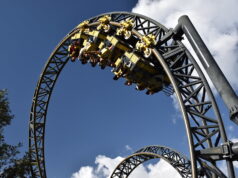
By contrast, rides like Smiler or TH13TEEN have much lower throughput. They rely on trains that must stop in the station, require safety checks, and take longer to dispatch. Because of this, queues build up much faster.
What Affects Ride Throughput?
Several factors influence how many riders can get through an attraction each hour, but they all come down to how efficiently the ride operates.
Capacity is one of the most obvious factors. A ride with large boats or long trains can carry far more people per cycle than one with smaller vehicles. However, capacity alone isn’t enough. Dispatch speed also plays a major role. Even a high-capacity ride can suffer if it takes too long to load and send out each cycle.
Staff efficiency can make a noticeable difference too. Well-organised operators who group guests quickly and keep things moving can significantly improve throughput. On the other hand, slow loading or poor organisation can reduce it.
Reliability is another key factor. Every time a ride stops, even briefly, throughput drops. These delays quickly add up and can turn a manageable queue into a long wait.
Different Ride Types, Different Throughput
Some rides are simply designed to handle more people than others.
Continuous rides, such as boat rides or omnimover systems, are built for efficiency. Vehicles keep moving while guests board, so there’s no need to stop the ride cycle. This allows them to achieve very high throughput and keep queues flowing.
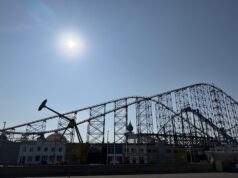
Roller coasters, on the other hand, naturally have lower throughput. They must stop for loading, safety checks are essential, and dispatches take longer. Even the most efficient coaster cannot match the constant flow of a continuously moving ride system.
Why Popular Rides Still Have Long Queues
You might wonder why parks don’t just design every ride to have high throughput. The reality is that ride design often prioritises experience over capacity.
Attractions like Wicker Man or Stealth are built to deliver intensity and uniqueness rather than move huge numbers of people. Their layouts, ride systems, and loading requirements all limit how quickly they can dispatch guests.
That’s why these rides often have long queues, even on quieter days.
Using Throughput to Your Advantage
Understanding throughput can help you plan your day more effectively. Lower-throughput rides tend to build queues quickly, especially early in the day, so they are often best to prioritise first. Higher-throughput rides are usually more forgiving and can be left until later, as their queues tend to move faster.
Ride throughput might seem like a behind-the-scenes detail, but it plays a huge role in your experience at a theme park. It explains why some queues crawl while others move quickly, and why certain rides are consistently busy.
Once you start noticing it, you’ll realise that theme parks aren’t just about building great attractions. They’re about moving thousands of people through them as efficiently as possible.
Follow UK Theme Park Spy on Facebook. Stay up to date with the latest news, ride updates, construction progress, events, and exclusive offers
Be the First to Hear the Latest Theme Park News
From ride announcements to park updates and visitor guides, we cover it all. Add us as a Preferred Source in Google to make sure you never miss our latest stories.
Click here and tick UKThemeParkSpy.com to ensure you see stories from us first in Google Search.