Roller coasters have thrilled British visitors for more than a century. While modern attractions boast launches, inversions, and cutting-edge technology, some of the UK’s most beloved rides have been entertaining guests for generations. These historic coasters are more than just rides—they are living monuments to the golden age of amusement parks.
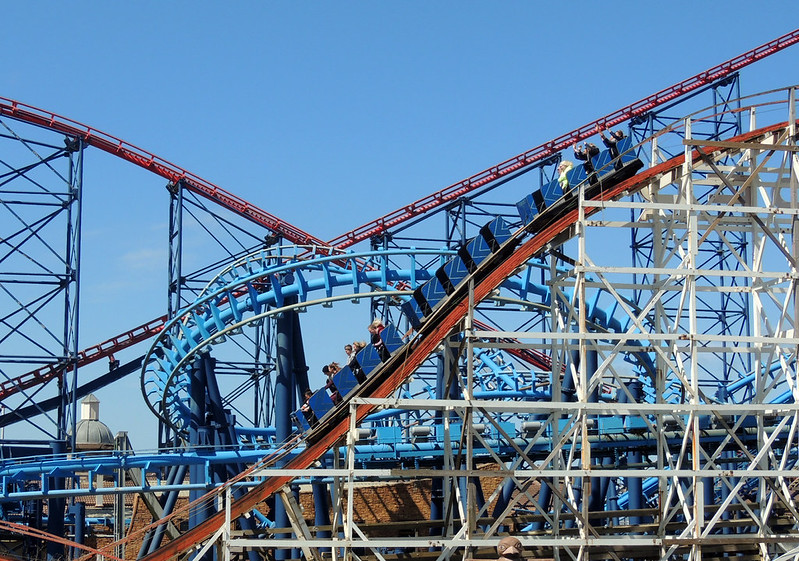
From classic wooden giants in Blackpool to traditional scenic railways by the seaside, these attractions offer a rare opportunity to experience roller coaster history firsthand.
Big Dipper (1923) – Blackpool Pleasure Beach
Now recognised as the oldest operating roller coaster in the United Kingdom, the Big Dipper first opened in 1923 and remains one of Blackpool’s most iconic attractions. Originally designed by John A. Miller, the wooden coaster has survived over a century of changing tastes, technological advances, and fierce competition from newer rides.
The ride is famous for its classic out-and-back layout, dramatic drops, and traditional wooden coaster experience. Unlike many historic attractions that have disappeared over the years, the Big Dipper continues to attract enthusiasts from around the world.
In 2023, the coaster celebrated its 100th anniversary, cementing its place among the most important roller coasters in British history.
Nickelodeon Streak (1933) – Blackpool Pleasure Beach
Originally opening as simply “Roller Coaster” in 1933, this family-friendly wooden coaster is another surviving classic from Blackpool’s golden era. Although its name and theme have changed over the decades, much of the original ride remains intact.
The coaster delivers a surprisingly energetic ride filled with airtime hills and sweeping turns. It proves that a roller coaster doesn’t need giant drops or inversions to provide an enjoyable experience.
Roller Coaster (1932) – Great Yarmouth Pleasure Beach
One of only a handful of traditional Scenic Railway-style roller coasters left in the world, the Roller Coaster at Great Yarmouth Pleasure Beach opened in 1932 and still operates with a brakeman riding aboard every train.
This unique operating method dates back to the earliest days of roller coaster design. Rather than relying solely on modern computer-controlled braking systems, trained operators manually control the train’s speed throughout the course.
For coaster enthusiasts, riding this attraction is like stepping into a time machine.
Blue Flyer (1934) – Blackpool Pleasure Beach
Often overlooked because of its smaller size, Blue Flyer is one of the oldest operating children’s roller coasters in the country. Opening in 1934, it has introduced generations of young thrill-seekers to the world of roller coasters.
Although modest compared to Blackpool’s larger attractions, its historical significance makes it an important part of the park’s heritage.
Grand National (1935) – Blackpool Pleasure Beach
Grand National is one of the few surviving racing wooden roller coasters in the world. Since opening in 1935, it has challenged riders to race against another train on a parallel track.
The ride combines classic wooden coaster thrills with a competitive element that remains just as entertaining today as it was nearly 90 years ago. Its historic importance has earned recognition from roller coaster preservation groups around the world.
Tyrolean Tubtwist (1950) – Joyland, Great Yarmouth
Joyland
Unlike a traditional roller coaster, Tyrolean Tubtwist offers a spinning ride experience that has delighted visitors since 1950. The quirky attraction remains one of the UK’s most unusual surviving amusement rides and represents a style of ride rarely seen today.
Its continued operation demonstrates how smaller seaside amusement parks have helped preserve unique pieces of British ride history.
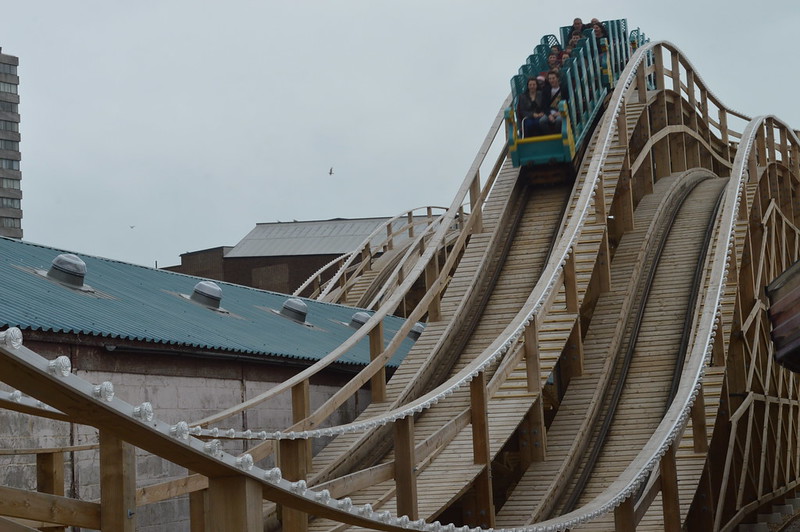
The One That Started It All: Scenic Railway (1920)
No discussion of Britain’s oldest roller coasters would be complete without mentioning the legendary Scenic Railway at Dreamland Margate.
For decades, it held the title of the UK’s oldest operating roller coaster. Opening in 1920, the wooden coaster survived fires, park closures, and extensive restoration work. However, after years of operational challenges and structural concerns, the ride was permanently retired as an operating roller coaster in January 2026.
Although it no longer operates, the Grade II* listed structure remains one of the most important roller coasters ever built in Britain and continues to stand as a symbol of the country’s amusement park heritage.
Why Historic Roller Coasters Matter
Historic roller coasters connect today’s visitors with more than a century of amusement park history. In an era dominated by record-breaking steel coasters and sophisticated technology, these vintage attractions offer something increasingly rare: authenticity.
Every creak of a wooden structure, every manually controlled brake run, and every traditional lift hill tells a story about how roller coasters evolved into the attractions we know today.
As parks continue to invest in modern rides, preserving these historic coasters ensures future generations can experience a genuine piece of Britain’s entertainment heritage.
For theme park enthusiasts, riding the UK’s oldest operating roller coasters isn’t just about the thrills—it’s about experiencing history in motion.
Follow UK Theme Park Spy on Facebook. Stay up to date with the latest news, ride updates, construction progress, events, and exclusive offers
Be the First to Hear the Latest Theme Park News
From ride announcements to park updates and visitor guides, we cover it all. Add us as a Preferred Source in Google to make sure you never miss our latest stories.
Click here and tick UKThemeParkSpy.com to ensure you see stories from us first in Google Search.